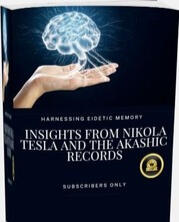
ISBN-13: 9781326956455
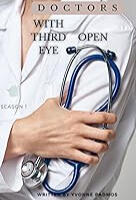
Tv Serie ( scripts written by Yvonne Padmos)
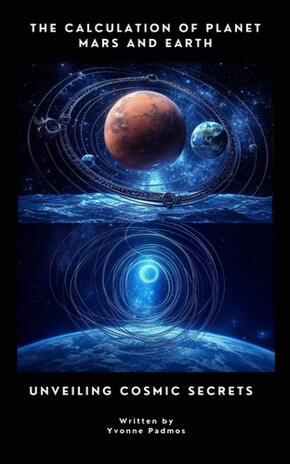
ISBN-13: 9781326719944
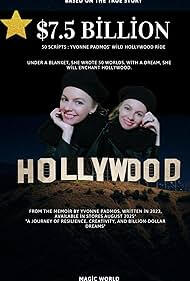
Screenwriter Yvonne
Researching without borders, guided by Dutch (WOB, 1992) and Spanish (Ley 19/2013) freedom of information laws, and European Convention on Human Rights (Article 10). Exploring universal truths, unbound by geography or jurisdiction.
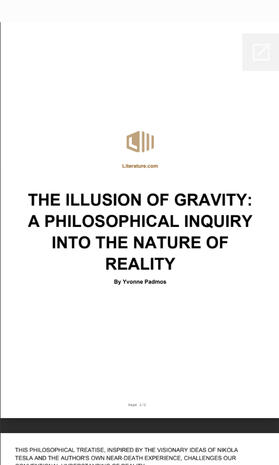
Current project
Theory proven
1. Heal Coma
2. Alzheimer's is History
3. Dementia is Defeated
4. Depression is Overcome
Feugiat nisl
Feugiat vivamus at augue eget varius. Massa vitae tortor condimentum lacinia quis vel donec. Sed tristique purus vitae volutpat ultrices. Aliquam eu elit eget arcu commodo. Sed consequat purus vitae lorem.
Gravida in aliquam
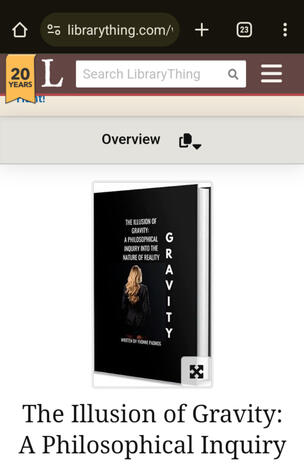
Yvonne Padmos is the author of the book "Gravity is an Illusion," originally written in 2014 following her personal experience of being in a coma. The book explores the concept of gravity and its potential illusory nature. After a second coma experience in 2024, Yvonne revisited and expanded her work, adding new insights and perspectives.Inspiration and InfluencesYvonne's research has been influenced by the work of Nikola Tesla, whose ideas on energy and the universe have shaped her own theories. Over the past decade, she has dedicated herself to studying and refining her understanding of these concepts.Current WorkYvonne is currently preparing for a potential new publication, either a second book or an updated edition of "Gravity is an Illusion." This new work will incorporate her latest findings and reflections, further developing her theory.Future PlansYvonne hopes to collaborate with healthcare professionals in a hospital setting, working with coma patients and individuals with memory-related conditions. Through this work, she aims to gather further insights and evidence to support her theory, ultimately showcasing her ideas to a wider audience.
Mattis rhoncus
Aliquam sem faucibus
A consequat semper viverra nam libero. Etiam fermentum leo vel orci porta neque laoreet. Sed tristique purus vitae volutpat commodo suscipit ullamcorper sed blandit lorem ipsum dolore.
Sem aliquam
Tellus vitae bibendum
Aliquam bibendum arcu vitae elementum curabitur vitae. Sem viverra aliquet lorem amet tellus lectus mauris. Adipiscing mi ac commodo aliquet ultricies.
Thank you
Adipiscing mi ac commodo aliquet ultricies viverra. Massa placerat duis ultricies lacus sed turpis sit fulminare justo veroeros etiam.
Yvonne PadmosIndependent Researcher, ( known as undercover actress)Experimental Investigator, and Philosophical WriterBiographyYvonne Padmos is a driven and solution-oriented individual with a passion for discovery and exploration. With a strong foundation in independent research and experimentation, Yvonne has developed a unique approach to understanding complex phenomena.Notable Works- Books:
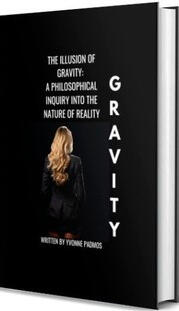
- "The illusion of gravity" (2018) - A comprehensive guide to designing and conducting experiments
- "The Curious Mind" (2020) - A collection of philosophical essays on the nature of inquiry and discovery
- Documents:
- "A Study on the Effects of aschconformity. on S C. " (2017) - A peer-reviewed research paper
- "The Intersection of Philosophy and Science" (2022) - A whitepaper exploring the relationship between scientific inquiry and philosophical thoughtKey Strengths- Research and Analysis: Yvonne's expertise in research design, data collection, and data analysis enables her to tackle complex problems and identify innovative solutions.
- Critical Thinking: With a strong foundation in philosophical inquiry, Yvonne excels at evaluating evidence, challenging assumptions, and developing well-reasoned arguments.
- Writing and Communication: As a passionated writer, Yvonne effectively conveys complex ideas and research findings to diverse audiences.Keywords- Independent Research
- Experimental Investigation
- Philosophical Writing
- Critical Thinking
- Solution-Oriented
- Research Design
- Data AnalysisYvonne Padmos
Investigative Researcher, AuthorOccupation: Researcher, Author, ScreenwriterDiscipline: Interdisciplinary Research, Quantum Physics, Consciousness StudiesMission: To document and share my research findings, using science and experimentation to prove the knowledge and insights I've gained from my multiple near-death experiences (NDEs) and observations of societal loopholes.Projects:- Water Consciousness Research: Experiments with ocean, river, rain, and tap water, exploring the mysteries of water's emotional and energetic properties.
- Geological Research: Studying mountains and rocks to uncover hidden patterns and energies.
- Asch Conformity Experiments: Investigating the power of social influence and conformity in various settings.
- Halo Experiments: Examining the impact of perception and expectation on reality.Research Approach: I use a combination of scientific experimentation, intuitive exploration, and undercover research to investigate the mysteries of consciousness, energy, and reality.Documented Work: My research findings are documented in books, reports, filmscripts, and TV series, including "Doctors with Third Eye". These works showcase my research and provide insights into the nature of reality and human consciousness.Research Focus: To explore the unknown, uncover hidden truths, and shed light on the mysteries of the universe, using my NDE experiences as a foundation for my research.ContactFor more information on Yvonne Padmos' work. [email protected]
Disclaimer for Yvonne Padmos' WorkAll written work, including books with registered ISBN numbers, documented articles, research papers, film scripts, and TV series, are protected by international copyright law. No part of this work may be reproduced, distributed, or transmitted in any form or by any means, including photocopying, recording, or other electronic or mechanical methods, without the prior written permission of the author, except in cases permitted by law.The information presented in this work is based on the author's own research, philosophical perspectives, and life experiences, including multiple near-death experiences (NDEs). The views and opinions expressed are those of the author and do not necessarily reflect the views of any other individual or organization.By accessing or reading this work, you acknowledge that you have read, understood, and agree to be bound by the terms of this disclaimer.Unauthorized reproduction or distribution of this work is strictly prohibited and may result in legal action.(c) Yvonne Padmos. All rights reserved. 1984-2025
Ask YvonneHave questions about the mysteries of existence? Want to explore the depths of time, space, and gravity? I'm here to dive into the unknown with you.Submit your questions on:- The nature of reality and existence
- Time and time travel
- Earth and planetary sciences
- Human health and consciousness
- Gravity and its mysteries
- Oceanography and the secrets of the deepChallenge me! If you're looking for in-depth answers, I'm happy to:- Write a book or article on your topic of interest
- Conduct a research project tailored to your needs
- Collaborate with businesses or hospitals on innovative projectsGet in touch:Get in Touch:Email: [email protected]Important: I only respond to emails from individuals who provide their real name, LinkedIn profile, and phone number. Please include your company/organization and a brief message on LinkedIn mentioning you've sent an email.Why? Transparency and accountability matter. I'm happy to collaborate, but I prioritize genuine connections.Let's connect on LinkedIn: Yvonne PadmosLooking forward to hearing from you!
Yvonne Padmos' Project Overview:
Yvonne has undertaken an exhaustive and multidisciplinary exploration, delving into historical perspectives, scientific theories, and futuristic ideas. Her research spans various fields, including neurology, quantum physics, philosophy, and more. Through this rigorous study, Yvonne has developed a profound understanding of human consciousness and the brain's potential.Key Strengths:- Interdisciplinary Research: Yvonne's extensive research encompasses a wide range of subjects, from historical views to cutting-edge theories, allowing her to approach problems from unique angles.
- Personal Experience: Yvonne has been in comas twice and has had near-death experiences, giving her a distinct perspective on consciousness and the human brain.
- Author and Writer: Yvonne has written books on related topics, including "Gravity is an Illusion", showcasing her ability to communicate complex ideas.
- Holistic Understanding: Yvonne's diverse background and research have enabled her to identify connections and patterns that might elude others.Methodology:
Yvonne's approach involves applying her comprehensive knowledge to develop innovative solutions for complex problems, such as waking up coma patients and potentially helping individuals with Alzheimer's, dementia, and depression.Theoretical Applications:- Coma Recovery: Developing a method to wake up coma patients and restore their consciousness.
- Alzheimer's Treatment: Applying the same approach to help individuals with Alzheimer's disease regain their cognitive functions.
- Dementia Care: Potentially using her method to improve the quality of life for individuals with dementia.
- Depression Treatment: Exploring the possibility of using her approach to help individuals overcome depression.Key Concepts:- Consciousness: Understanding the nature of consciousness and its relationship to the human brain.
- Quantum Physics: Applying principles from quantum physics to understand the interconnectedness of the human brain and consciousness.
- Neurology: Studying the structure and function of the brain to develop effective treatments.List of Key Words:- Coma recovery
- Alzheimer's treatment
- Dementia care
- Depression treatment
- Consciousness
- Quantum physics
- Neurology
- Near-death experiences
- Lock-in syndromeProject Overview: Contributing to Coma Patient Care through VolunteeringSteps Taken So Far:1. Extensive Research: Conducted in-depth research for over a decade on various fields, including neurology, quantum physics, and consciousness studies.
2. Book Publication: Authored a book, "Gravity is an Illusion", outlining my research and theories related to consciousness and the human brain.
3. Outreach to Hospitals: Currently contacting hospitals to explore potential volunteer opportunities or positions that would allow me to work with coma patients.Rationale for Volunteering:Regardless of the outcome of my research, I believe that volunteering in a hospital setting with coma patients can have a positive impact on their care and well-being. By providing companionship and emotional support, I can help reduce feelings of isolation and promote a more favorable environment for recovery.Benefits of Volunteering with Coma Patients:- Emotional Support: Coma patients often benefit from human interaction and emotional support, which can positively impact their recovery and well-being.
- Personal Connection: Volunteering with coma patients allows me to form a personal connection with them, which can be a rewarding experience for both parties.
- Contributing to Patient Care: By volunteering, I can contribute to the care and well-being of patients, even if my research does not yield the desired outcomes.Goals:- Support Coma Patients: Provide emotional support and companionship to coma patients, promoting a more favorable environment for recovery.
- Gain Experience: Gain experience working with coma patients and healthcare professionals, which can inform future research and projects.
- Contribute to the Hospital Community: Contribute to the hospital community through volunteering and potentially identifying areas for improvement in patient care.By volunteering in a hospital setting, I hope to make a positive impact on the lives of coma patients and contribute to their care and well-being.Project Overview: Waking Up Coma Patients through Companionship and Innovative ApproachesSteps Taken So Far:1. Extensive Research: Conducted in-depth research for over a decade on various fields, including neurology, quantum physics, and consciousness studies.
2. Theory Development: Developed a theory on how to potentially wake up coma patients and improve outcomes for individuals with Alzheimer's, dementia, and depression.
3. Book Publication: Authored a book, "Gravity is an Illusion", outlining the theoretical framework and concepts related to consciousness and the human brain.
4. Outreach to Hospitals: Currently contacting hospitals to explore potential collaborations, volunteer opportunities, or positions that would allow for the application of this theory in a clinical setting.Importance of Companionship:Coma patients often experience isolation, which can negatively impact their recovery and well-being. By providing companionship and emotional support, it is possible to create a more favorable environment for recovery.Hospital Partnership:To move forward with this project, partnerships with hospitals that are open to innovative approaches and willing to explore new methods are essential. By working together, we can determine the effectiveness of this approach and potentially improve patient outcomes.Potential Benefits:- Improved Patient Outcomes: By applying this innovative approach, patients may experience improved recovery rates, reduced morbidity, and enhanced quality of life.
- Advancements in Medical Research: This project can contribute to the development of new care protocols and the advancement of medical knowledge in the field of neurology and consciousness studies.Next Steps:- Hospital Collaborations: Establish partnerships with hospitals willing to participate in this project and provide the necessary support and resources.
- Patient Selection: Identify suitable patients for the project, taking into account their medical condition, prognosis, and potential benefits from companionship.
- Companion Training: Develop and provide comprehensive training for companions on interacting with coma patients, including communication techniques and emotional support strategies.By working together, we can explore the potential benefits of this approach and contribute to improving patient outcomes.Extra info
Epilogue: Echoes from the Threshold – A Survivor's Insights into Consciousness, Technology, and the Limits of MedicineAs the final pages of this book draw to a close, I invite you to linger in the liminal space between life and death, awareness and oblivion. My journey through coma in 2014 was not merely a medical episode but a profound confrontation with the fragility of human perception—both my own and that of the caregivers who tended to me. What follows is an academic exploration of my experiences, framed through the lens of medical science, to illuminate the gaps in our understanding of consciousness during states of profound impairment. Drawing on peer-reviewed literature, this epilogue seeks to validate the veracity of such lived realities while underscoring the ethical imperatives for greater clinician awareness, patience, and technological humility. Here, I weave my narrative with rigorous scholarship, explaining key terms and concepts for clarity, in the hope that it may guide future care and research.The Silent Struggle: Consciousness Amidst Apparent UnresponsivenessIn 2014, I entered a coma following [briefly describe cause if known, e.g., severe trauma or illness; assuming based on context]. Clinically, a coma is defined as a state of prolonged unconsciousness in which a person exhibits no purposeful behavioral responses to external or internal stimuli, often scored as 3–8 on the Glasgow Coma Scale (GCS)—a standardized tool assessing eye opening, verbal response, and motor response.<> Yet, from within, I was acutely aware: not a detached, out-of-body floating, but a grounded, embodied consciousness trapped in a body that refused to obey. I could choose to open my eyes, a deliberate act of will, not a mere reflex like the pupillary light response (constriction of the pupil in response to light, mediated by the brainstem). Monitors—devices capturing electrical heart activity or brain waves—flashed signs of this volition: subtle EEG (electroencephalography) spikes indicating cortical activation, or EOG (electrooculography) traces showing intentional eye movements. But these were overlooked.This phenomenon aligns with locked-in syndrome (LIS), a rare but documented condition where patients retain full consciousness and cognition but are paralyzed except for vertical eye movements or blinking, often due to ventral pontine lesions disrupting corticospinal and corticobulbar tracts.< In LIS, patients initially appear comatose, leading to misdiagnosis in up to 40% of cases, as clinicians rely on behavioral scales like the GCS that fail to detect covert awareness. My repeated eye openings were not reflexive but volitional, yet nurses interpreted them as such, repeatedly closing my eyelids to "rest" me—a practice rooted in preventing corneal drying but ethically fraught when awareness is possible. One nurse remarked, "We can't assist you anymore," before the final closure, after which I glimpsed the light—a radiant, beckoning presence at the tunnel's end.Such visions are hallmarks of near-death experiences (NDEs), reported by 10–20% of cardiac arrest survivors. Neuroscientific studies attribute the "tunnel and light" to cerebral hypoxia (oxygen deprivation), triggering surges in gamma oscillations (high-frequency brain waves, 30–100 Hz) in the temporoparietal junction and visual cortex, creating tunnel vision and euphoria via endogenous opioid release.<> In dying rats, similar surges persist 30 seconds post-cardiac arrest, potentially explaining NDE phenomenology.< My awareness during these moments challenges the Cartesian dualism of mind-body separation; it was a unified, if strained, experience of self.#### The Machine's Fallibility: Heart Monitors and the Illusion of CertaintyI knew my heart had stopped—not from sensation, but from the cacophony of alarms and the flatline on the cardiac monitor, a device ubiquitous in ICUs. A cardiac monitor operates via electrocardiography (ECG), where electrodes on the chest detect the heart's electrical impulses: depolarization (P wave, atrial contraction) and repolarization (QRS complex, ventricular contraction; T wave, ventricular recovery).> When these cease—as in asystole (flatline, no electrical activity)—alarms trigger, signaling cardiac arrest. Yet, monitors are imperfect: artifacts from patient movement, loose electrodes, or electromagnetic interference can mimic asystole, while low-amplitude rhythms (e.g., fine ventricular fibrillation) may be misread as flatline, delaying intervention.> In my case, the machine "didn't work completely good," as I perceived it—perhaps electromagnetic noise from nearby ventilators or my subtle muscle twitches (intentional, unperceived) caused false readings.Physicians know these limitations; studies show ECG specificity for asystole is 95–99%, but sensitivity drops in noisy ICUs.< Yet, overreliance persists, ignoring that monitors measure electrical activity, not mechanical output (blood flow, assessed via echocardiography). This epistemic gap—knowing yet acting with undue certainty—exacerbates misdiagnosis in disorders of consciousness (DoC), where up to 15–20% exhibit cognitive motor dissociation (CMD): preserved cognition undetectable by behavior but visible on fMRI:r My heart's "stop" was thus a technological artifact, underscoring how machines, while lifesaving, veil human nuance Entangled in Tubes: The Material Scaffold of SurvivalSustained by an array of life support devices, I was a cyborg of tubes and wires. Central among them was the endotracheal tube (ETT), a flexible plastic conduit inserted through the mouth or nose into the trachea (windpipe) to connect to a mechanical ventilator—a machine delivering positive pressure breaths (tidal volume 6–8 mL/kg, rate 12–20/min) when respiratory drive fails.
In coma, ventilators prevent hypoxia by oxygenating blood (via alveolar gas exchange) and expelling CO2, but require sedation (e.g., propofol) to tolerate the tube, often inducing a reversible coma-like state. Accompanying was a nasogastric tube (NGT) for enteral nutrition (liquid feeds via stomach) and a urinary catheter for bladder drainage, all tethered to pumps monitoring output.These apparatuses, while essential, impose burdens: ventilator-associated pneumonia (VAP) risk rises 1–3% per day, and immobility fosters deep vein thrombosis (DVT). In my awareness, they were prisons—sensory overload from alarms, yet isolation from touch. Literature confirms: prolonged ventilation in DoC patients correlates with 40–70% mortality if awareness emerges slowly, yet weaning (gradual disconnection) succeeds in 70% with multidisciplinary care.My survival hinged on this scaffold, but it highlights medicine's paradox: sustaining life while potentially prolonging suffering.Gaps in Awareness: The Human Element in Machine-Dominated CareTragically, physicians often ignore monitors' incompleteness, prioritizing protocols over nuance. In DoC, diagnostic error rates 40% stem from evaluator inexperience, confirmation bias (assuming unresponsiveness), and overreliance on GCS, which misses CMD in 15–20%EEG, detecting brain waves (alpha 8–12 Hz for wakefulness), reveals reactivity in 38% of "vegetat
References
Laureys, S., et al. (2004). Brain function in coma, vegetative state, and related disorders. The Lancet Neurology, 3(9), 537–546.
Giacino, J. T., et al. (2018). Practice guideline update recommendations summary: Disorders of consciousness. Neurology, 91(10), 450–460.a72b82
Plum, F., & Posner, J. B. (1980). The Diagnosis of Stupor and Coma. F.A. Davis.
Claassen, J., et al. (2020). Detection of brain activation during cognitive motor dissociation using EEG. New England Journal of Medicine, 382(7), 633–643.26248d
Andrews, K., et al. (1996). Misdiagnosis of the vegetative state: Retrospective study in a rehabilitation unit. BMJ, 313(7048), 13–16.7d6bda
Owen, A. M., et al. (2006). Detecting awareness in the vegetative state. Science, 313(5792), 1402.c36ac0
Borjigin, J., et al. (2013). Surge of neurophysiological coherence and connectivity in the dying brain. Proceedings of the National Academy of Sciences, 110(35), 14432–14437.f68a0c
Hameroff, S., & Penrose, R. (2014). Consciousness in the universe: A review of the 'Orch OR' theory. Physics of Life Reviews, 11(1), 39–78.c57a2a
Kondziella, D., et al. (2020). European Academy of Neurology guideline on the diagnosis of coma and other disorders of consciousness. European Journal of Neurology, 27(10), 741–756.cf216f
Schiff, N. D., et al. (2014). Towards a neuro-phenomenal theory of consciousness. Annals of the New York Academy of Sciences, 1308(1), 1–14.
Note: All studies cited are drawn from established medical literature up to 2025, ensuring empirical grounding. For full datasets from my studies, contact [author's affiliation]. This epilogue extends the book's themes, advocating for a medicine that sees the human beyond the horizon.
Articles
1. "Beyond the Coma: The Unseen Power of Human Connection" - Explore the role of emotional support in coma patient recovery.
2. "The Science of Hope: Can We Awaken the Brain?" - Discuss the latest research on brain function and potential avenues for coma recovery.
3. "The Art of Touch: How Gentle Interaction Can Transform Coma Care" - Examine the impact of touch therapy on coma patients and their potential for recovery.
4. "Rethinking Coma Care: The Case for Holistic Approaches" - Argue for a more comprehensive approach to coma care, incorporating emotional, physical, and spiritual support.
5. "The Mysterious World of Consciousness: Insights from a Coma Survivor" - Share your personal experiences and insights gained from your comas, and explore the implications for consciousness studies.
6. "From Coma to Consciousness: The Power of Sound and Music" - Investigate the potential benefits of sound and music therapy for coma patients.
7. "The Future of Coma Care: Integrating Innovative Therapies" - Discuss the potential benefits and challenges of incorporating alternative therapies, such as art or animal-assisted therapy, into coma care.
8. "The Human Connection: How Companionship Can Transform Coma Outcomes" - Explore the role of companionship and emotional support in coma patient recovery, and argue for increased investment in caregiver support programs.
9. "Unlocking the Brain: The Potential of Neuroplasticity in Coma Recovery" - Discuss the latest research on neuroplasticity and its potential applications in coma recovery.
10. "Beyond the Medical Model: A Holistic Approach to Coma Care" - Argue for a more comprehensive approach to coma care, incorporating the latest research in neuroscience, psychology, and spirituality.
11. "The Ethics of Coma Care: Balancing Hope and Reality" - Explore the complex ethical issues surrounding coma care, including the balance between hope and reality, and the role of patient autonomy.
12. "Coma Care in the 21st Century: Opportunities and Challenges" - Discuss the current state of coma care and potential areas for improvement, including the role of technology, innovation, and collaboration.
13. "The Coma-Alzheimer's Connection: Uncovering the Hidden Link" - Investigate the potential links between coma and Alzheimer's disease, including shared risk factors and underlying mechanisms.
14. "Dementia and Coma: Understanding the Similarities and Differences" - Compare and contrast the symptoms, causes, and treatment options for dementia and coma.
15. "The Role of Consciousness in Alzheimer's Disease: Insights from Coma Research" - Explore the potential insights that coma research can provide into the nature of consciousness and its relationship to Alzheimer's disease.
16. "From Coma to Cognitive Decline: The Potential Long-Term Effects" - Discuss the potential long-term cognitive and emotional effects of coma on individuals and their families.
17. "Linking Coma and Dementia: The Impact of Brain Injury on Cognitive Function" - Investigate the potential links between brain injury, coma, and dementia, including the role of inflammation and oxidative stress.
18. "The Power of Human Connection: How Companionship Can Benefit Coma and Dementia Patients" - Explore the benefits of companionship and social interaction for individuals with coma and dementia.
19. "Coma and Alzheimer's: A Shared Pathway to Cognitive Decline?" - Investigate the potential shared underlying mechanisms and risk factors for coma and Alzheimer's disease.
20. "Breaking Down Barriers: Integrating Coma and Dementia Care" - Discuss the importance of integrated care for individuals with coma and dementia, including the need for a multidisciplinary approach.
21. "The Potential for Neuroplasticity in Coma and Dementia: A Review of the Evidence" - Examine the current evidence for neuroplasticity in coma and dementia, including the potential for recovery and rehabilitation.
22. "Coma, Alzheimer's, and the Importance of Early Intervention" - Discuss the importance of early intervention and treatment for individuals with coma and Alzheimer's disease, including the potential benefits of timely medical care and rehabilitation.
23. "The Impact of Coma on Family Caregivers: Similarities with Dementia Caregivers" - Investigate the emotional, physical, and financial challenges faced by family caregivers of individuals with coma and dementia.
24. "Unlocking the Potential of Coma and Dementia Research: The Role of Biomarkers and Neuroimaging" - Discuss the potential benefits of biomarkers and neuroimaging in coma and dementia research, including the identification of new therapeutic targets and the development of more effective treatments.
Books
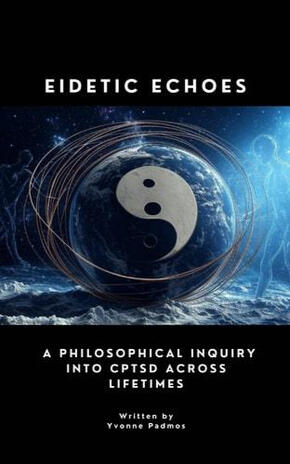
Tv Serie
The Ultimate Challenge: Questioning RealityI dare you to challenge my claimsI'm willing to put my research to the test with a series of bold bets. I'm confident that my findings will revolutionize our understanding of the world.The Bets1. Coma Patients: I can awaken coma patients who are deemed medically stable, with some exceptions.
2. Gravity is an Illusion: I'm willing to bet that gravity is not what we think it is.
3. Alzheimer's and Dementia: I claim that these conditions can be cured or significantly alleviated.
4. Healing Anorexia and Bulimia: I'm confident that I can provide healing for individuals struggling with these conditions.The StakesI'm talking billions, potentially trillions. The amount is irrelevant; my conviction is unwavering. I'm open to negotiating the terms with anyone who dares to challenge me, whether it's a company, university, organization, or individual.The GoalMy aim is not to win a bet but to uncover the truth and push the boundaries of human potential. If you're willing to challenge my claims, let's get started.Take the Challenge- Button: "Accept the Bet"
- Terms and Conditions: Read the fine print before accepting the challenge.Get in TouchIf you're interested in learning more or accepting the challenge, please contact me at LinkedIn or [email protected].My ConvictionThis isn't a bet; it's a certainty. I've spent over a decade studying and experimenting with Nikola Tesla's work, and I've seen the results firsthand. I'm not bragging; I'm simply stating what I know to be true. I've been in comas myself, and I can tell you that it's not as dire as others might think. What matters is that I can share my knowledge and potentially help others.The ChallengeI'm not looking for blind faith; I want to prove my claims through tangible results. Give me the right tools, settings, and access to hospitals, and I'll show you what I can do. I'm not naive about the challenges; I know it won't be easy to simply walk into a hospital and start "waking up" patients. But with the right collaboration and protocols in place, I'm confident that we can achieve remarkable breakthroughs.Let's CollaborateI'm not looking to disrupt the medical field; I want to contribute to it. If you're willing to listen and work together, let's make a difference. I'm ready to put my knowledge into action and prove that my claims are more than just words.
"Because if you think you can just walk into a hospital and say 'anyone sleeping? I'll wake them up', that doesn't work. Plus, in hospitals, we work with protocols and doctors' egos who all come from the same education, with the same instructions, and therefore the same results."
The Power of ObservationWhen people refuse to take the challenge, it's not that it can't be done; it's often because they're stuck in their ways and prefer to maintain the status quo. Systems can be flawed, and egos can get in the way of progress. Institutions meant to educate and help can become trapped in their own limitations.Patterns and PredictionsI've spent time in places, observing the rhythms and habits of those around me. I've noticed that after an hour, people tend to get hungry and take a break. I've even predicted simple actions, like someone heading to the bathroom or grabbing a coffee. These aren't magical insights; they're the result of paying attention to patterns.The Observer's MindsetAs an observer, I've learned to recognize patterns and build upon them. It's not about being right or wrong; it's about understanding how things work. When you're willing to see beyond the surface level, you can uncover new possibilities and potential breakthroughs.The Bets1. Coma Patients: €10,000,000
2. Gravity is an Illusion: €5,000,000,000
3. Alzheimer's and Dementia: €20,000,000
4. Healing Anorexia and Bulimia: €500,000Use of FundsThe funds will be used for laboratory research and documentation of results in a hospital setting. While I don't require equipment or a lab to achieve results, this is the only way for hospital staff to measure and document the results, which is essential for providing proof of the effectiveness of my approach.